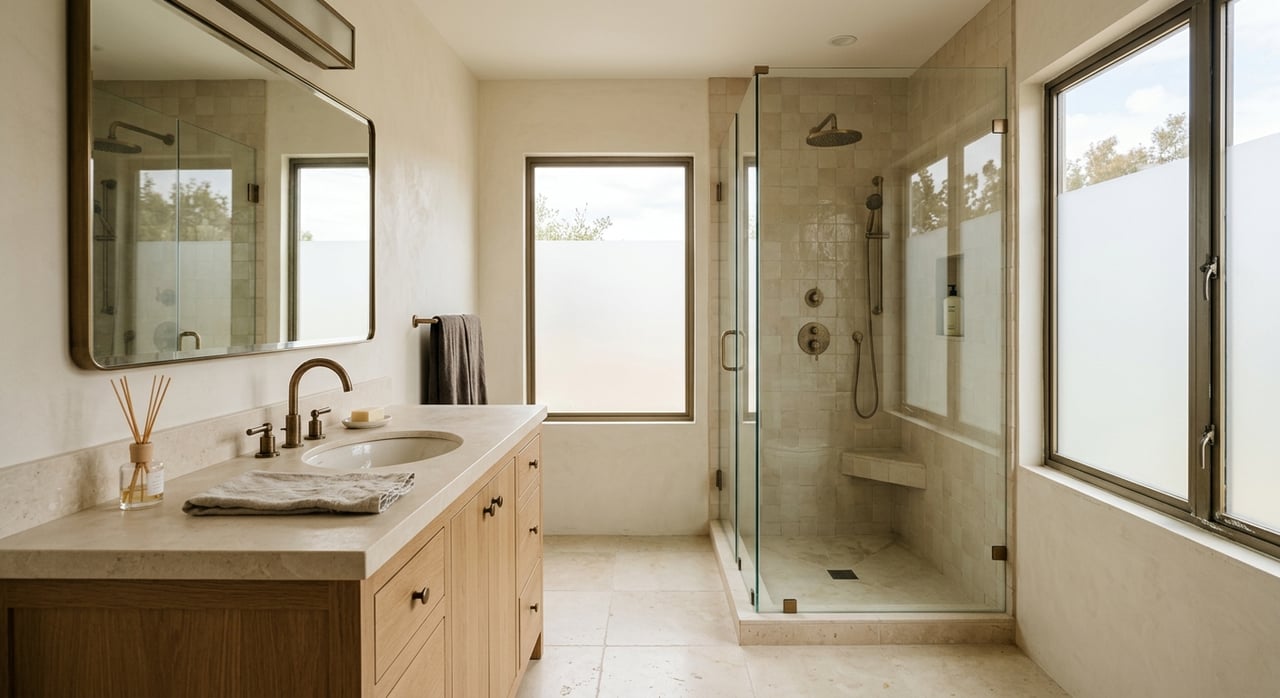
Spotting Value-Add Potential In San Antonio’s Hill Country Homes
June 11, 2026
June 11, 2026
If you are hunting for a Hill Country home near San Antonio with upside, it is easy to get excited by surface-level charm and big renovation ideas. But in today’s market, value-add potential is less about dreaming big and more about making smart, well-supported decisions. The good news is that if you know what to look for, you can spot homes where thoughtful updates may improve livability and future market appeal without taking on avoidable risk. Let’s dive in.
San Antonio’s housing market was balanced in February 2026, according to SABOR. The median price was $299,900, months of inventory reached 5.51, average days on market were 102, and 91.9% of homes sold close to original list price.
That matters because it points to a market with less room for speculative over-improvement. Bexar County Appraisal District also reported that 2026 values remained relatively flat across much of Bexar County, which means your renovation upside should be based on realistic comparable sales, not best-case assumptions.
The strongest value-add opportunities often are not the most distressed properties. In many cases, the better opportunity is a home with a solid layout, acceptable systems, and a dated look that turns off buyers who want something move-in ready.
When a floor plan already fits how people live, you can focus on updates that improve presentation and function instead of forcing expensive structural changes. That usually creates a cleaner path to adding value while keeping your budget and timeline more manageable.
The City of San Antonio allows several interior updates without a permit, including cabinets and countertops, carpet and wood or laminate flooring, painting, sheetrock repair, wallpapering, tiling, window glass repair, replacement of existing doors, and siding over existing siding.
That makes cosmetic wear one of the clearest signs of value-add potential. If a home feels dated but the bones are good, a lighter refresh may go a long way in improving everyday appeal and resale presentation.
Kitchens and bathrooms tend to create the strongest first impression for buyers. Even modest refreshes in these spaces can make a home feel more current and better maintained.
That said, scope matters. In San Antonio, once the work includes new electrical, plumbing, or HVAC components, permits may be needed and licensed trade contractors are required.
A lot of value-add mistakes happen when buyers underestimate project complexity. What starts as a “simple update” can quickly become a larger job once walls open up, systems need adjustment, or the project crosses into structural work.
The City of San Antonio distinguishes between home improvement contractors and residential building contractors. Structural work and additions fall into the residential building contractor category, so it is important to understand early whether you are planning a refresh or a true remodel.
Before you assume a project is straightforward, check the scope against local requirements. New homes, additions over 1,000 square feet, and any second-story addition require plan review through the City, which typically takes three business days.
Even smaller projects can involve added review depending on what you are changing. If your plan includes more than finish updates, build extra time and budget into your evaluation from day one.
Some properties may sit in historic, neighborhood conservation, or corridor districts. In those areas, even work on items that otherwise appear low-friction may still face design or material restrictions.
That does not mean the deal is bad. It simply means your timeline, materials, and approval path may be more specific than you expected.
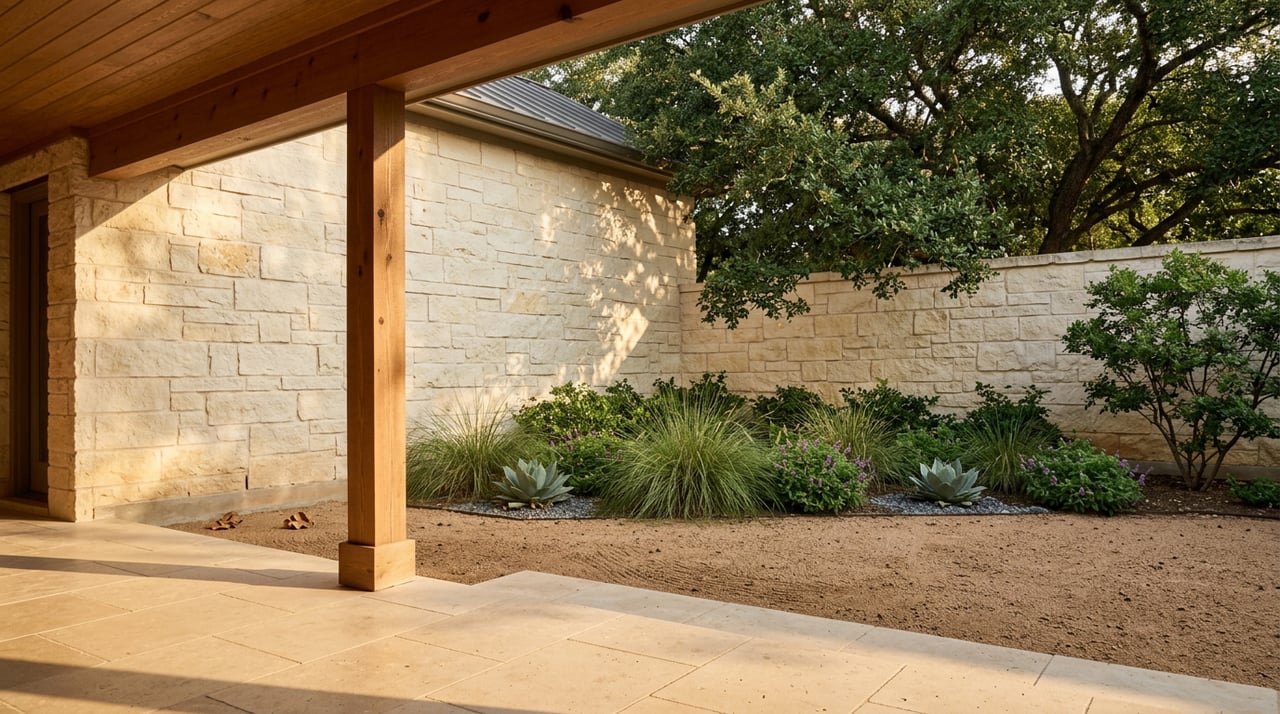
In Hill Country-leaning areas of Bexar County, outdoor living often plays a big role in how a property feels. A usable yard, a good view line, or room for a simple outdoor upgrade can make a home more enjoyable and more marketable.
Still, outdoor projects vary widely in complexity. The key is knowing which improvements are relatively simple and which ones can pull you into permits, engineering, or higher contractor costs.
According to the City of San Antonio, a detached deck does not need a building permit only if it is 200 square feet or smaller, no more than 30 inches above grade, not attached to the dwelling, and not serving the exit door. Retaining walls under 4 feet are also on the no-permit list.
For the right property, that can make modest outdoor upgrades attractive from a value-add standpoint. A small deck, improved circulation, or better use of the yard may improve lifestyle appeal without turning into a major construction project.
Once outdoor work includes items like a ceiling fan or sink on a deck, the City says building, electrical, and plumbing permits may all be required. That can change the cost, schedule, and contractor mix quickly.
If your value-add plan depends heavily on outdoor features, make sure you separate the simple vision from the permit-heavy one. That alone can protect your budget.
In western Bexar County and Hill Country-adjacent areas, the house itself is only part of the story. Drainage, grading, and flood exposure can have a major impact on both renovation costs and long-term risk.
Bexar County notes that the area is prone to flash flooding, and the Bexar Regional Watershed Management partnership describes San Antonio as being in a region commonly called Flash Flood Alley. That means a property with a great view but poor drainage may be less of an opportunity than it first appears.
Pay close attention to lot position, slope, signs of water movement, and any visible grading issues. These factors can affect usability, future maintenance, and what kinds of improvements are practical.
If a home needs drainage correction before cosmetic work, your real budget may be very different from the one you first imagined. In many cases, drainage should be evaluated before finishes, not after.
Bexar County states that construction near the 100-year floodplain must be reviewed by Public Works. A flood study by a Professional Engineer may also be required to determine base flood elevation or alter floodplain limits.
That is a major reason to avoid making assumptions about a lot’s improvement potential. On some homes, the real question is not whether the house needs updating, but whether the site supports your plan in the first place.
A value-add deal only works if your intended project is actually allowed. The City says you should verify that the zoning district allows the intended use before applying for a permit, and some projects require plan review.
This is especially important if you are considering additions, layout changes, or a longer-term hold strategy tied to future improvements. A quick idea on paper does not always translate into an easy path in practice.
The biggest decision is rarely paint color or countertop material. It is creating a realistic scope, price, and timeline before you commit.
A disciplined approach can help you avoid over-improving in a balanced market. It also makes it easier to compare homes based on actual opportunity instead of emotional appeal.
A practical first step is to interview at least three contractors and gather bids. The contract should clearly spell out scope, timeline, total cost, allowances, permits, licensing, insurance, and references.
That kind of detail helps you compare apples to apples. It also reduces the risk of vague pricing and unclear responsibilities.
In a market where pricing is relatively disciplined, thin margins can disappear fast. Carrying costs, taxes, financing, and timeline drift all matter when the resale premium is not guaranteed.
This is one reason smaller upgrades often make more sense than highly personalized or expansive remodels. A project can be successful without being dramatic.
Not every improvement strategy should be judged the same way. A light cosmetic resale, a hold-and-rent plan, and a long-term personal residence all have different goals.
National remodeling data cited in the research suggests that smaller upgrades often have stronger cost recovery, while kitchen upgrades and primary suite additions score highly for homeowner satisfaction. In practical terms, that means your best project depends on whether you want short-term resale appeal, long-term enjoyment, or a property you plan to reposition over time.
In this part of the market, the most attractive opportunities often share a few traits:
That is not flashy advice, but it is usually the kind that protects your downside. And in a balanced market, protecting your downside is often what creates the best outcome.
When you walk through a potential value-add property, keep your review focused:
A clear process helps you stay objective. That is especially important when a property has strong style, views, or land that can make it easy to overlook practical risks.
If you are exploring value-add opportunities in the Hill Country areas around San Antonio, the right property is usually the one where the numbers, scope, and local constraints all line up. Thoughtful updates can absolutely create opportunity, but the best results tend to come from careful evaluation, not big assumptions. If you want a practical second opinion on a property’s positioning, improvement potential, and market fit, Rebecca Gindele is here to help.
Stay up to date on the latest real estate trends.


The home buying or selling process can be confusing, but Rebecca takes the time to make sure her clients understand every step. Clients find her vision for home design invaluable. Rebecca loves making homes beautiful and is happy to give advice to buyers and sellers on how to improve the look of their home.