
Selling In Hill Country San Antonio: A Step-By-Step Timeline
July 2, 2026
July 2, 2026
Selling a home in Hill Country San Antonio can feel like a moving target. You want strong offers, a smooth timeline, and fewer last-minute surprises, but today’s market rewards preparation more than guesswork. The good news is that when you know what happens first, what matters most, and where Texas deadlines can tighten the process, you can make smarter decisions from day one. Let’s dive in.
If you are selling in the Hill Country area of San Antonio, it helps to view your timeline through the bigger Bexar County market. Public data points vary by source, but they point to the same takeaway: pricing, presentation, and early buyer response matter.
SABOR’s Q1 2026 report for Bexar County showed a median price of $286,000 and 93 median days on market for single-family sales. Late May 2026 trackers also showed a similar range, with Redfin reporting a median sale price of $294,113 and 65 median days on market, Zillow showing homes going pending in about 35 days, and Realtor.com reporting a median listing price near $294,990 with a 99% sale-to-list ratio and 48 median days on market.
That does not mean every home will follow the same pace. It means your first impression in the market is important, and an overambitious launch price can reduce momentum early.
One of the biggest seller mistakes is waiting until the month you want to list before getting organized. A better plan is to give yourself a 6- to 12-month runway if possible.
That extra time gives you room to schedule a pre-list inspection, compare repair bids, and work through disclosures without rushing. It also makes it easier to focus on the updates buyers actually notice instead of scrambling through a long to-do list right before photos.
This is the planning stage, and it sets the tone for everything that follows. If you want more control over repairs and fewer surprises later, this is the time to order a pre-list inspection.
A pre-list inspection is not required, but it can help you learn about your home’s condition before a buyer does. According to the research, sellers may choose one to get more information upfront and more control over repair decisions, and a typical home inspection takes at least two to three hours.
You can also start gathering repair estimates during this window. The goal is not to fix everything. The goal is to decide what is worth addressing before launch and what should be reflected in your pricing strategy.
This is also the right time to begin disclosure prep. In Texas, the current TREC Seller’s Disclosure Notice is required for previously occupied single-family residences, and the current form became effective on 05/28/2026. The disclosure reflects your knowledge of the property’s condition as of the signing date.
Now it is time to make the home show well. This stage is less about major remodeling and more about improving the details buyers notice immediately.
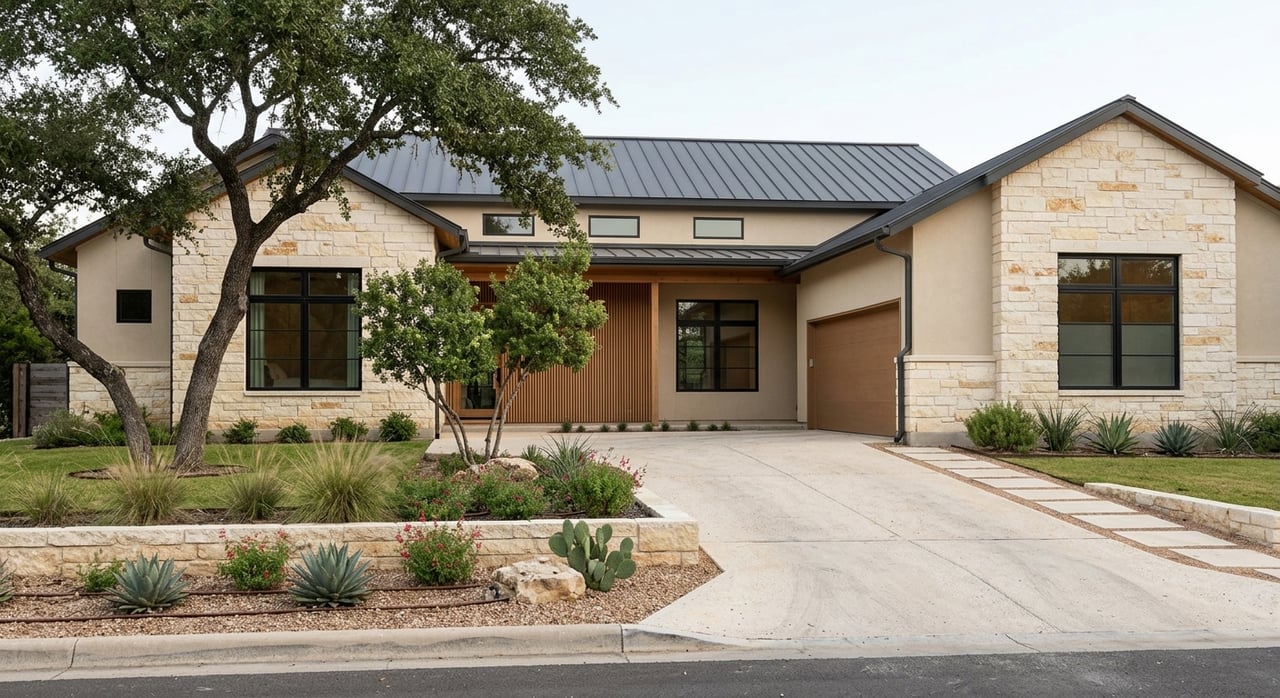
The research shows that the most common seller prep items are decluttering, full-home cleaning, and improving curb appeal. Many agents also report that staging can reduce time on market, and some saw a 1% to 10% lift in offers.
If you are deciding where to spend your energy, think visible and practical. Clean surfaces, edited rooms, fresh landscaping, and polished photos usually matter more than an expensive project you may not finish in time.
This is the pricing stage, and it deserves real attention. In a market that has become more balanced, pricing too high can cost you the early interest you need.
SABOR’s outlook points toward steady sales growth, disciplined pricing, and more predictable seasonal patterns. For sellers, that means buyers are still active, but they are also more selective and more price sensitive than they were during the frenzied pandemic-era market.
A strong pricing decision should reflect recent comparable sales and current buyer response. The right number is not just about what you hope to get. It is about where your home will look compelling enough to attract serious activity in the first week.
When your home goes live, the market starts talking back. This first 7 to 10 days can tell you a lot about whether your pricing and presentation are aligned.
Watch showing activity, feedback, and inquiry volume closely. If buyers are touring but hesitating, they may be reacting to condition, layout, or price. If activity is soft from the beginning, that can be a sign your positioning needs adjustment.
This is where thoughtful prep pays off. A clean, well-presented home with realistic pricing usually has a better chance of creating early urgency than a home that enters the market half-finished or priced above buyer expectations.
Once offers come in, it helps to look beyond the headline number. In Texas, terms can shape your final outcome just as much as the purchase price.
You will want to compare net proceeds, financing strength, requested concessions, and timing. The option period matters too, because buyers may use that window to inspect the property and negotiate repairs or amendments.
Going under contract is a milestone, but it is not the finish line. Texas deadlines begin quickly, and staying organized matters.
TREC says earnest money must be deposited by the close of business of the second working day after execution unless the contract says otherwise in writing. The termination option is a negotiable term that gives the buyer the unrestricted right to terminate for any reason if the option fee is paid on time.
That option period often becomes the busiest stretch after contract acceptance. Buyers may inspect the home, review findings, and ask for repairs or amendments, and those conversations can take several days.
The option period is one of the most important parts of a Texas sale. It gives the buyer a set window for deeper due diligence and an unrestricted right to terminate, as long as the option fee is delivered on time.
For you as a seller, this means a strong offer is not truly settled until that stage is complete. It is also why repair strategy matters before listing. The more clearly you understand your home’s condition upfront, the better prepared you are to respond calmly and strategically.
Keep in mind that you do not have to fix everything. Repairs and credits are negotiable, and not every buyer request needs to be accepted as written.
If your buyer is financing, the final timeline has built-in steps that cannot usually be rushed. One of the biggest is the Closing Disclosure requirement.
For a mortgage closing, the lender must provide the Closing Disclosure at least three business days before closing. That is one reason it is wise not to promise an unrealistically fast finish once a financed buyer is involved.
In Texas, closing is usually handled at a title agent’s office, where documents are signed and explained. As closing approaches, it is also smart to verify any wiring instructions through a known phone number rather than relying on email alone, since mortgage-closing scams can target consumers in the final days.
If you are hoping for a simple formula, here it is: prepare early, price with discipline, and stay flexible once inspections and negotiations begin. That approach gives you more control than waiting for the market to do the work for you.
In Hill Country San Antonio, thoughtful listing prep is not just about appearance. It is also about reducing stress, understanding your paperwork, and giving your home the best chance to perform well from day one.
If you want help thinking through timing, pricing, and how to prepare your home for market, Rebecca Gindele brings a hands-on, design-aware, negotiation-focused approach to every listing.
Stay up to date on the latest real estate trends.







The home buying or selling process can be confusing, but Rebecca takes the time to make sure her clients understand every step. Clients find her vision for home design invaluable. Rebecca loves making homes beautiful and is happy to give advice to buyers and sellers on how to improve the look of their home.