
How to Sell a Home in South Barton Creek With Smart Prep
June 18, 2026
June 18, 2026
If you plan to sell in South Barton Creek, the best results usually start months before your home ever hits the market. In a premium area where buyers expect strong presentation and still compare value carefully, rushed prep can cost you time, leverage, and momentum. The good news is that you do not need to guess your way through it. With the right sequence, you can focus your budget, avoid last-minute stress, and launch with confidence. Let’s dive in.
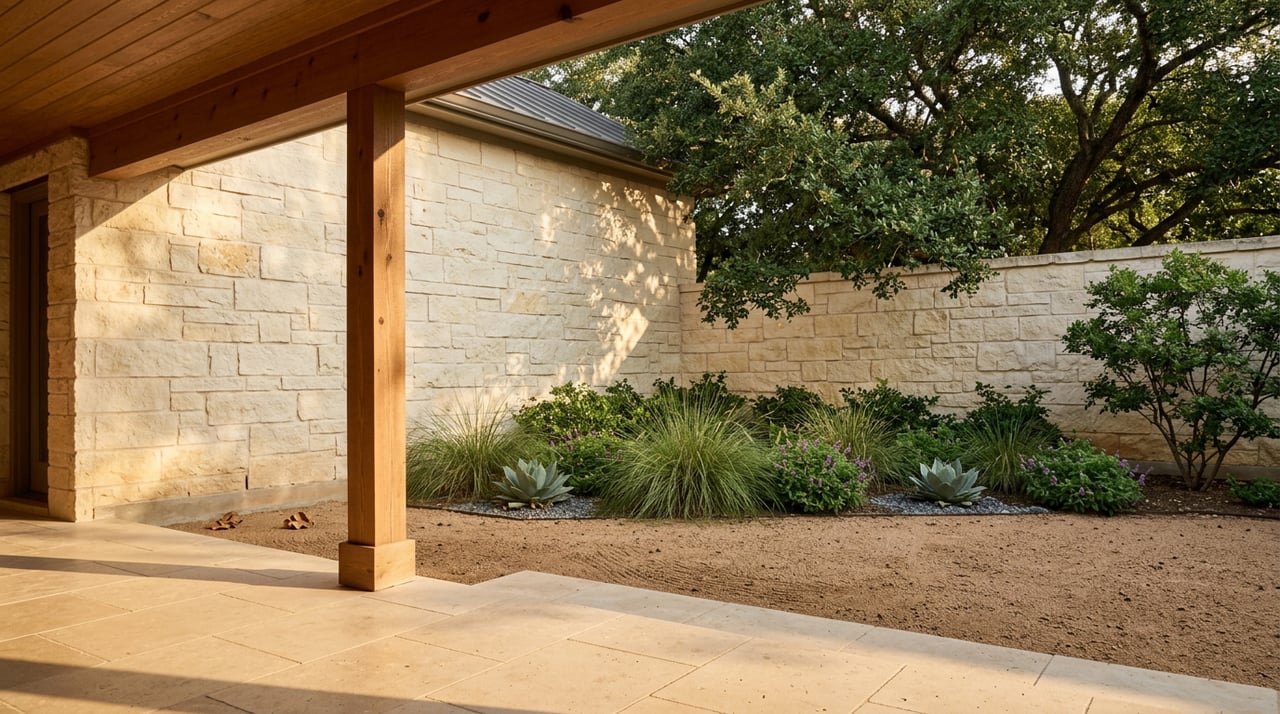
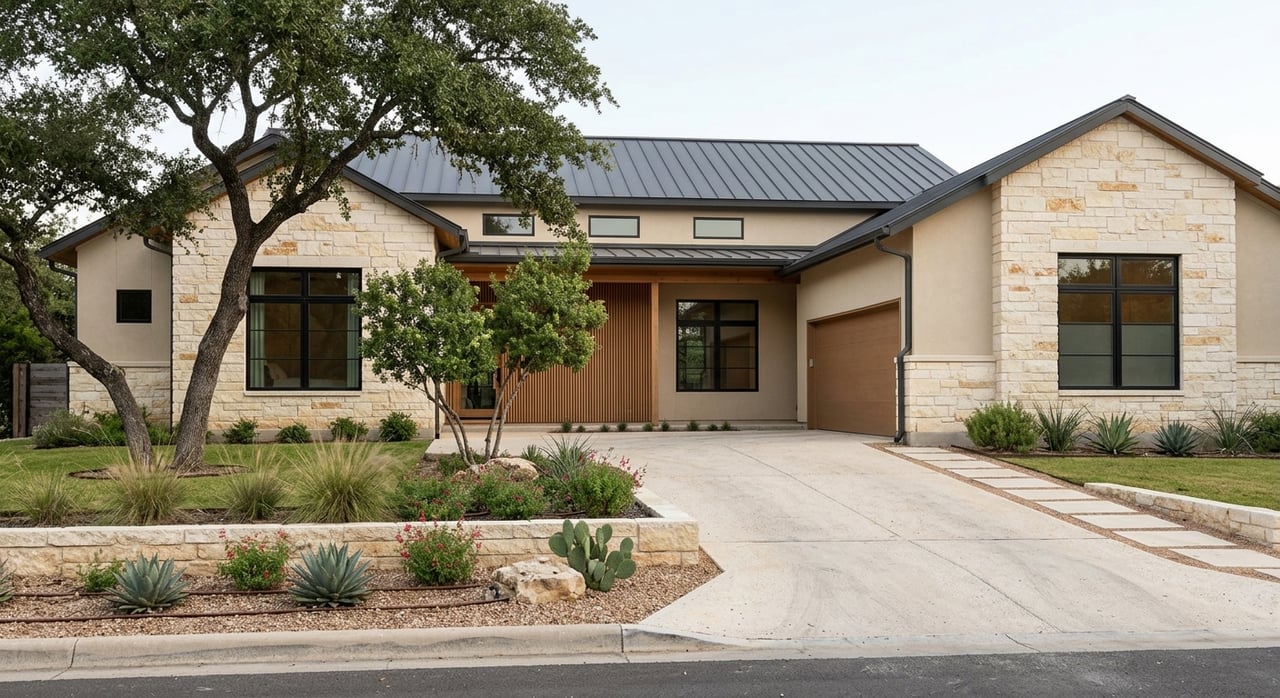
South Barton Creek sits within the broader Barton Creek area of Southwest Austin, where Hill Country character and access to outdoor spaces shape buyer expectations. The City of Austin describes District 8 as a place where the Texas Hill Country meets Southwest Austin neighborhoods, and it includes destinations like the Barton Creek Greenbelt and Lady Bird Johnson Wildflower Center. That local context matters because features such as patios, landscaping, natural light, and indoor-outdoor flow can play an important role in how your home is perceived.
This is also a market where pricing and preparation need to work together. As of April 2026, Realtor.com reported 32 homes for sale in Barton Creek, a median listing price of $2.35 million, and median days on market of 68. In the broader Austin-Round Rock-San Marcos market, Unlock MLS reported a median sale price of $440,000, 4.7 months of inventory, and a 94.3% average close-to-list price in April 2026, while Travis County posted a $505,000 median sale price, 4.8 months of inventory, and a 94.6% close-to-list figure.
The takeaway is simple: buyers are active, but they are still price-sensitive. In a higher-end area like South Barton Creek, that means your home needs to look well cared for, show clearly, and enter the market at a price supported by current conditions.
If you are six to twelve months from selling, start with a planning mindset instead of a project mindset. Your goal is not to renovate everything. Your goal is to identify what will protect value, improve presentation, and reduce friction once a buyer is ready to move forward.
A practical sequence looks like this:
This approach helps you make decisions in the right order. It also keeps you from spending money on upgrades that do not meaningfully improve how the home shows or how buyers respond.
Before you choose paint colors or update fixtures, get clear on the home’s actual condition. Walk the property with a critical eye and separate true maintenance needs from cosmetic wants. In many cases, this is where the smartest pre-listing decisions begin.
Texas sellers should also get ahead of disclosure requirements early. The Texas Real Estate Commission’s current Seller’s Disclosure Notice is required for previously occupied single-family residences and is tied to Section 5.008 of the Texas Property Code. If your home was built before 1978, federal lead-based paint disclosure rules also apply, including disclosure of known lead hazards and a buyer’s 10-day period to conduct a paint inspection or risk assessment.
If your property is part of a property owners’ association, request those documents well before listing. Under Texas Property Code Chapter 207, owners have access to subdivision documents, rules, bylaws, regulations, and a resale certificate. Having these ready early can make the contract period feel much smoother.
When sellers ask where to spend first, I usually point them toward confidence issues before style issues. Buyers may overlook a dated finish more easily than they overlook signs of deferred maintenance. If something affects function, durability, or peace of mind, it deserves attention.
Focus first on items like:
That order of operations fits current buyer behavior. The National Association of Realtors’ 2025 Remodeling Impact Report found that 46% of home buyers are less willing to compromise on a home’s condition when purchasing. In practical terms, visible neglect can weaken buyer confidence quickly, even in a desirable location.
Once major condition items are addressed, turn to updates that improve showability without overbuilding for the market. In South Barton Creek, thoughtful presentation often matters more than a long list of expensive remodels. You want buyers to see a home that feels fresh, cohesive, and easy to enjoy.
The 2025 Remodeling Impact Report found that agents most often recommended painting the entire home, painting one interior room, new roofing, kitchen upgrades, and bathroom renovations before selling. That mix points toward selective, visible improvements rather than large-scale projects.
Some of the most practical updates to consider include:
The same report found that a new steel front door had the highest reported cost recovery at 100%, with closet renovation and a new fiberglass front door also ranking well. That does not guarantee a specific return, but it reinforces an important point: smaller, high-visibility updates can sometimes do more for your launch than a large discretionary remodel.
Staging works best when you treat it as a presentation tool, not a promise. The goal is to help buyers understand the layout, notice the home’s strengths, and picture how spaces can live. In a market where homes may take longer to sell, that clarity can matter.
According to the National Association of Realtors’ 2025 Profile of Home Staging, 83% of buyers’ agents said staging made it easier for buyers to visualize a home as their future residence. Buyers’ agents ranked the living room, primary bedroom, and kitchen as the most important rooms to stage, and sellers’ agents most commonly staged the living room, primary bedroom, and dining room.
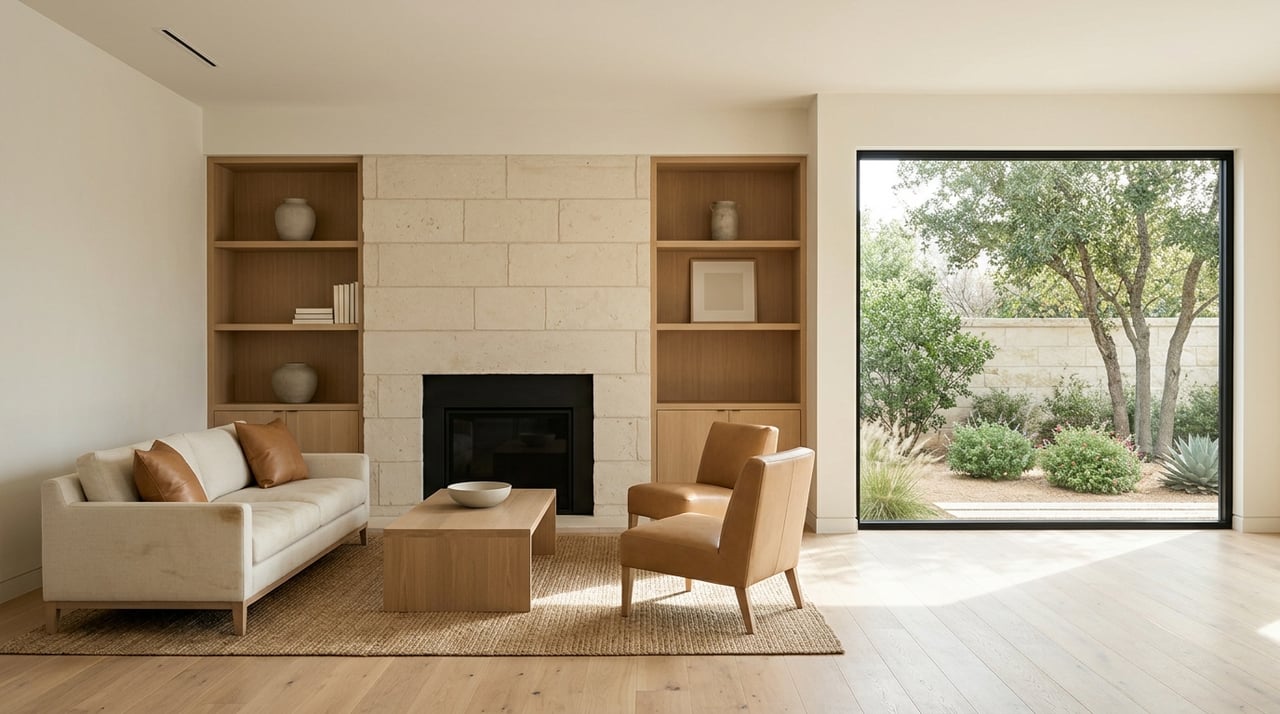
For many South Barton Creek homes, staging does not need to mean fully furnishing every room. Often, the highest impact comes from editing, simplifying, improving furniture placement, and making sure key rooms photograph beautifully. NAR also reported a median staging-service spend of $1,500 when using a professional stager, compared with $500 when the seller’s agent personally staged the home.
Listing photos should never be the first time your home is market-ready. Photography is the final result of all the work that comes before it: repairs, cleaning, decluttering, styling, and staging. In a premium neighborhood, polished media is not optional if you want a strong first impression.
NAR’s staging profile found that photos, physical staging, videos, and virtual tours were all important to buyers, with photos and staging leading the list. That means your launch assets deserve a real plan. Great media helps buyers decide whether your home is worth scheduling, and that first decision can influence the pace of your entire listing.
Before photography, make sure you have completed:
One of the biggest mistakes sellers make is treating renovation cost like pricing support. Buyers do not price your home based on what you spent. They compare your property to recent sales, current competition, and the condition they can see.
In Barton Creek, April 2026 data showed a median listing price of $2.35 million and median days on market of 68. At the same time, close-to-list ratios in the broader Austin area and Travis County were 94.3% and 94.6%. That suggests negotiation room remains common unless a home is priced and positioned especially well.
A practical pricing strategy should be based on:
This is where disciplined strategy matters. Strong presentation can help support buyer interest, but pricing still has to match what the market is willing to reward.
Many sellers ask whether they should wait for the perfect week or season. In reality, readiness often matters more than trying to time the market exactly. A polished launch tends to outperform a rushed launch.
May 2026 data from Unlock MLS showed pending sales across the Austin-Round Rock-San Marcos metro increased 14.3% year over year to 3,310 transactions. That tells you buyers were still active heading into summer. For South Barton Creek sellers, that supports launching when your repairs, staging, photography, and paperwork are complete rather than hurrying to meet an arbitrary date.
A clean debut gives you the best chance to create early momentum. It also helps you avoid the common cycle of going live too soon, realizing the home was not fully prepared, and then trying to correct course after buyers have already formed their first impression.
If you want a practical way to think about the process, use this timeline:
In South Barton Creek, selling well is rarely about doing the most. It is about doing the right things in the right order. Buyers in this market tend to respond to homes that feel cared for, well-positioned, and easy to understand from the moment they see the listing.
That is why preparation is not just about repairs or decor. It is about creating a clear strategy around condition, presentation, pricing, and timing. When those pieces work together, you give yourself a better chance at a smoother sale and a stronger result.
If you are thinking about selling in South Barton Creek and want a clear, practical plan for what to do first, Rebecca Gindele can help you map out the right prep, pricing, and launch strategy for your home.
Stay up to date on the latest real estate trends.
The home buying or selling process can be confusing, but Rebecca takes the time to make sure her clients understand every step. Clients find her vision for home design invaluable. Rebecca loves making homes beautiful and is happy to give advice to buyers and sellers on how to improve the look of their home.