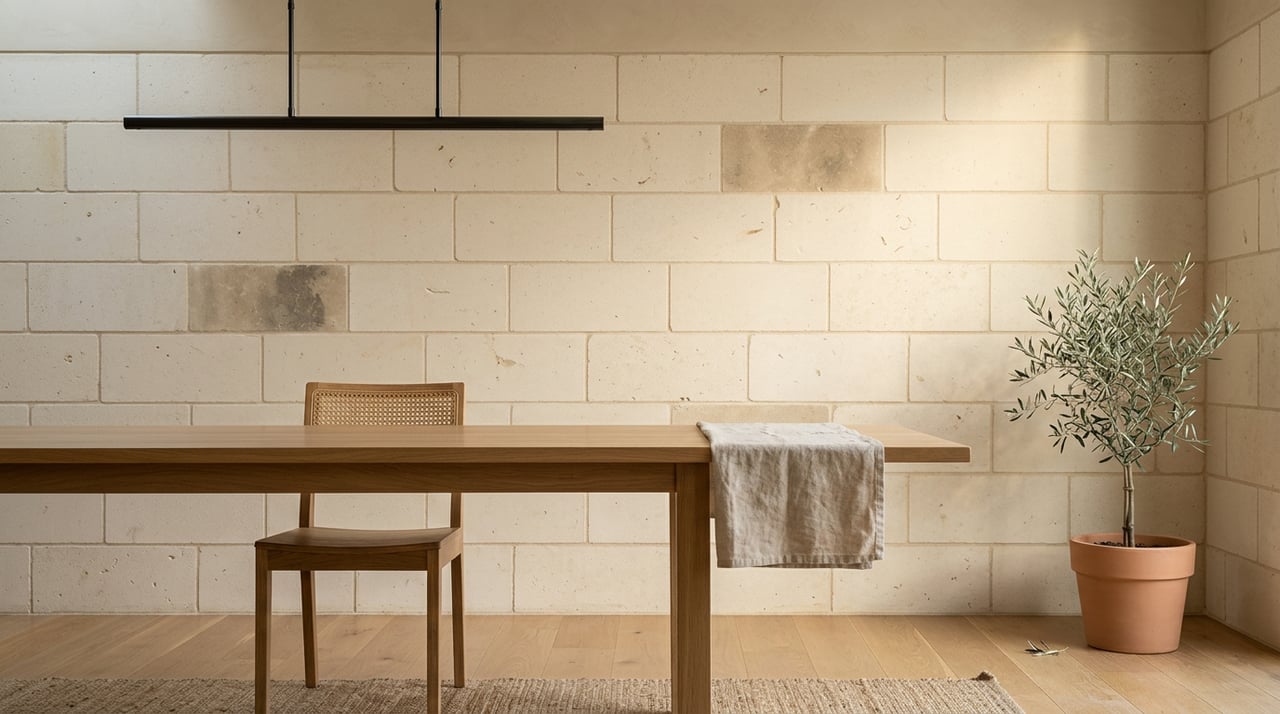
Selling In South Barton Creek: The Friction That Actually Moves Your Price
July 16, 2026
July 16, 2026
Most 78735 sellers walk into a listing appointment expecting the conversation to be about comps. The comps matter, but they are not the reason two houses on the same street can sit thirty days apart in market time. The reason is what a buyer is allowed to do with the lot after closing.
In South Barton Creek, every improvement a future owner might imagine — the pool cabana, the sport court, the wider driveway, the guest casita — collides with a single number written into City of Austin ordinance in 1992. Sellers who already used that number are selling scarcity. Sellers who left room on it are selling optionality. Those are two different products, and they should not be priced the same way.
Under the Save Our Springs Ordinance, lots inside the Barton Springs Zone are capped at 15 percent impervious cover on net site area. That is roughly half of what a standard Austin single-family zone allows, and the code enforces it through the site plan, not through the deed. It travels with the land.
On a one-acre South Barton Creek lot, 15 percent is about 6,500 square feet of hardscape, and that budget has to hold the house footprint, the driveway, the walks, the patios, the pool deck, and any covered outdoor structure. Pools themselves do not count under Austin code, but the coping and the deck around them do.
A variance is not a realistic backup plan. The ordinance was passed by citizen initiative in 1992, and per City reporting the only path around it is a supermajority Council vote to amend the ordinance for a specific site, which is why Austin Monitor has described these amendments as "so rare and infrequent."
So the seller's real question is straightforward. Pull the current site survey, add up the existing impervious cover, and compare it to the net site area. If the home is at or near the ceiling, you are selling a finished product and the marketing needs to say so plainly, because a buyer who assumes they will add a 1,200 square foot outdoor kitchen and lap pool is going to walk during option period when the surveyor's numbers come back. If you are well under the ceiling, that unused envelope is a real asset. It belongs in the listing story with the same weight as an updated primary bath.
South Barton Creek is not one HOA. The Barton Creek community is currently organized under four master property owners associations, and each home sits inside one of them with its own recorded deed restrictions and architectural guidelines:
The practical implication for a seller is disclosure timing. Texas Property Code Chapter 207 governs the resale certificate the association will produce, and that packet is where a buyer's agent first learns about pending assessments, ARC violations, or unresolved architectural notices tied to your property. If there is anything sitting in the file — an unpermitted pergola, a driveway extension, a fence installed without ARC sign-off — it is better to surface it before you list than to have it read out loud during option period.
Two more friction points inside the ARC layer are worth pricing in before you sign the listing agreement. First, standard real estate yard signs are generally not approved inside Barton Creek POAs and, per the community's own FAQ, can be removed without notice. Your marketing plan needs to lean on digital, print, and private previews rather than curb signage. Second, ARC review of any new construction or exterior change is a real timeline. Barton Creek North currently tells owners the process typically runs 30 to 45 days after a complete submittal, and the Estates of Barton Creek publishes a longer window. That is the clock a buyer will be running once they own the house, and sophisticated buyers know it. Sellers who can hand over a clean, current set of approved plans, or a pre-cleared paint palette, remove weeks of unknowns from a buyer's mental math.
Many South Barton Creek homes are on on-site sewage facilities rather than city sewer. Austin Water's OSSF program regulates these systems within the Barton Springs segment under City Code Chapter 15-5, and properties with drainfields in that segment can be required to provide nitrogen-reducing treatment. Standard absorption systems on suitable soils are exempt, but the exemption is site specific.
Two things follow. Existing aerobic or nitrogen-reduction systems must be maintained by manufacturer-trained personnel, not by the homeowner, so your current maintenance contract and the last two years of service reports are documents the buyer's inspector will want to see. And a failed system on a Barton Springs Zone lot is not a swap-in replacement. Redesign, permitting, and installation can run months and materially change a closing date. If your system is nearing end of life, a pre-listing pump and inspection, with the report attached to the seller's disclosure, is not just good practice. It is a negotiation lever.
The mistake in the current market is anchoring to 2022. The 78735 ZIP has moved. The most recent local data available for South Barton Creek shows the median sale price around $828,000 in March 2026, down roughly 8.3 percent year over year, with median days on market at 62. Statewide, per the Texas Real Estate Research Center forecast summarized across mid-year 2026, the Texas median sat near $341,800 in March with inventory close to ten months of supply. At the metro level, June 2026 market updates put Austin at roughly 116 percent more sellers than buyers, one of the softer ratios in the state.
Here is what that looks like as a pricing conversation for a Barton Creek listing:
| Data point | Where 78735 is | What it means for your list price |
|---|---|---|
| Median sale price, Mar 2026 | ~$828K, down 8.3% YoY | Comps from 2022–2023 overstate today's ceiling |
| Median days on market | 62 days | Price 3–5% too high adds weeks, not days |
| Metro seller/buyer ratio, June 2026 | ~116% more sellers | Buyer has multiple credible alternatives |
| Impervious cover status | Fixed at 15% NSA | Underused envelope is a comp adjustment upward |
Two homes on the same cul-de-sac, same square footage, same finish level, can and should list differently if one has 40 percent of its impervious cover budget still available and the other is maxed. That is the local adjustment the online valuation tools cannot see.
Does a swimming pool count against my impervious cover budget? Under current Austin code the pool itself does not count, but the coping, deck, and any surrounding hardscape do. If a buyer plans to add a pool, they are adding the deck too, which is what usually uses the last of the budget.
Can we appeal the 15 percent limit for a specific improvement? The SOS Ordinance expressly prohibits administrative variances. The only path is a Council-approved ordinance amendment for the site, which is a multi-year, multi-hearing process. Assume the cap is fixed for the transaction.
Does the POA's architectural review apply to interior remodels? Generally no, but any change visible from a common area, plus roofs, exterior colors, driveways, and landscape work, do require ARC approval. The specific guidelines vary by POA, which is why address-level guidance matters.
How does the resale certificate affect closing timing? Texas Property Code Chapter 207 governs the timeline. In practice, ordering the packet on the day you sign the listing agreement, rather than after an executed contract, removes a common two-to-three-week delay from closing.
South Barton Creek transactions are decided in the details. The seller who understands their lot's impervious cover position, their POA's specific approval calendar, and the septic paperwork the buyer's team will ask for is the seller who sets the price with confidence and defends it through option period. If that is the conversation you want to have about your home, Rebecca Gindele is ready when you are. Let's connect.
Stay up to date on the latest real estate trends.
The home buying or selling process can be confusing, but Rebecca takes the time to make sure her clients understand every step. Clients find her vision for home design invaluable. Rebecca loves making homes beautiful and is happy to give advice to buyers and sellers on how to improve the look of their home.