What First-Time Homebuyers Can Expect in Hill Country San Antonio
May 14, 2026
May 14, 2026
Buying your first home in San Antonio’s Hill Country can feel exciting and a little intimidating at the same time. You may be picturing mature trees, more space, and a quieter setting, but you are also wondering how the process really works and what local issues matter most. The good news is that with the right preparation, you can move forward with more confidence and fewer surprises. Let’s dive in.
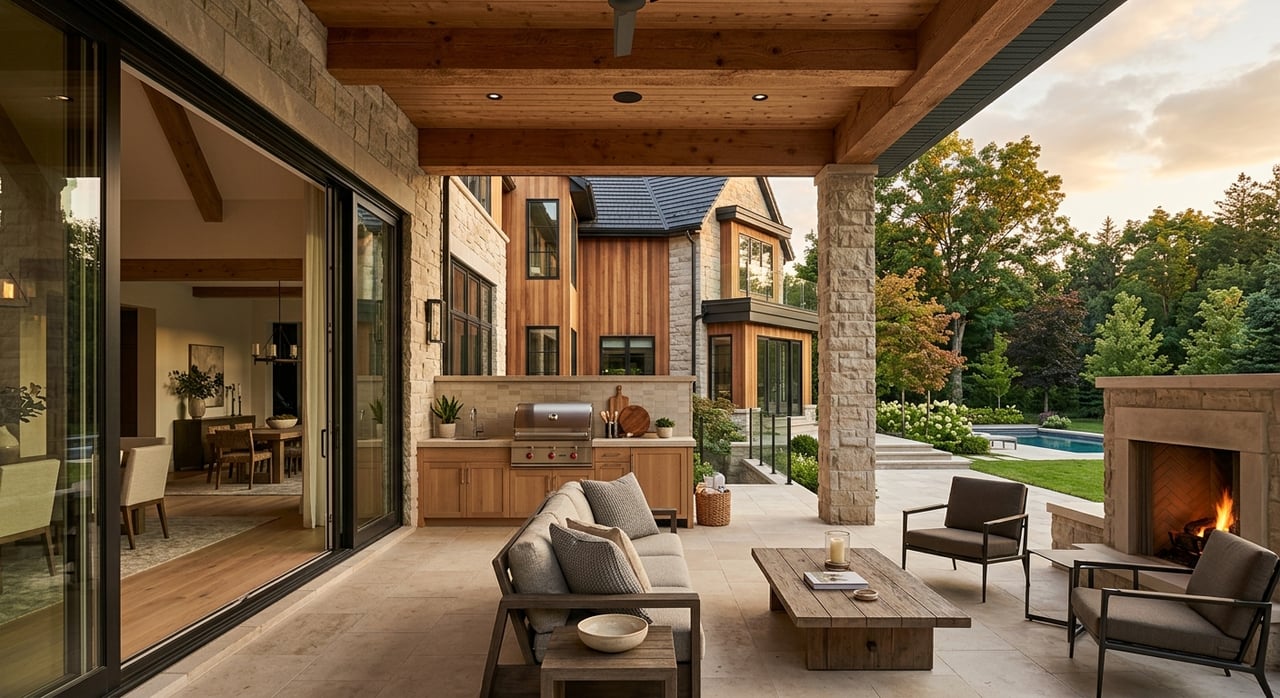
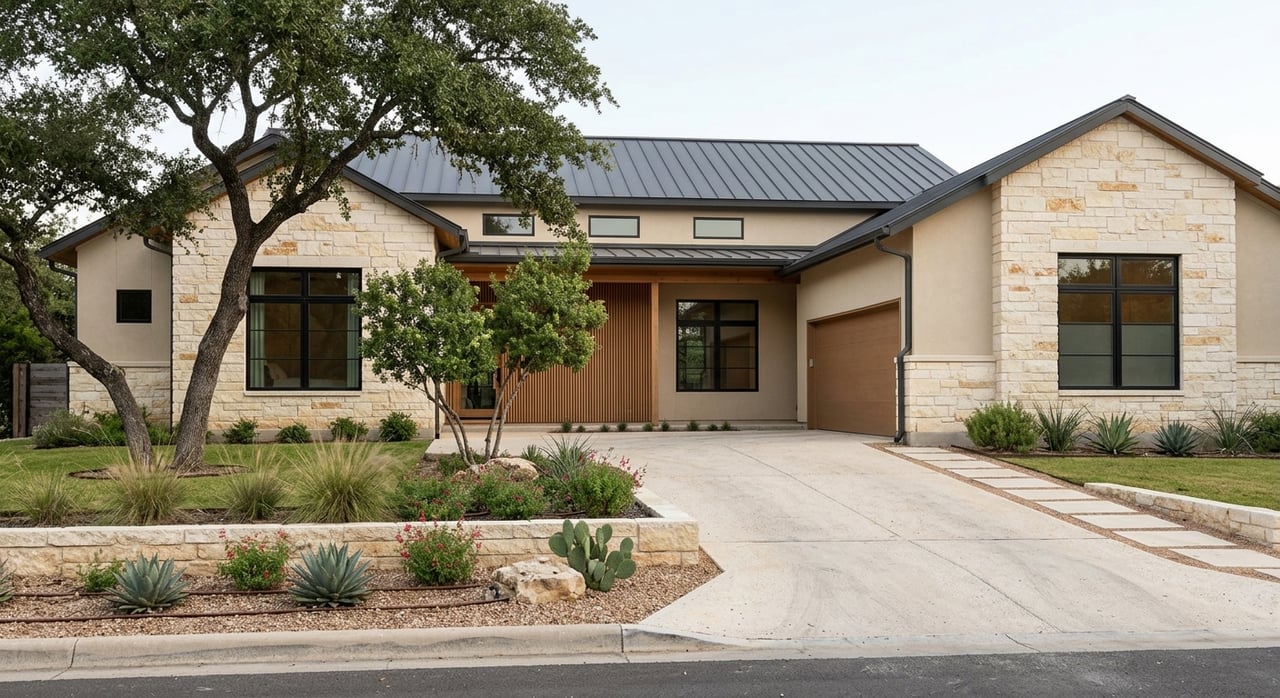
In the San Antonio area, Hill Country-style living often means the lot is just as important as the house itself. Hill Country Village offers a good local example, with a rural-style residential setting inside an urban environment, about 20 minutes north of downtown San Antonio and close to the airport.
That mix appeals to many first-time buyers because you can get a more private, outdoors-focused feel while staying connected to daily conveniences. It also means you need to evaluate things that do not always show up in a standard online search, like slope, setbacks, tree cover, drainage, and how usable the outdoor space really is.
Before you tour homes, take time to understand what you can comfortably afford. Your budget depends on your income, credit, current debts, down payment, and interest rate, but it should also include the ongoing costs of owning a home.
That means looking beyond principal and interest. You also need to plan for property taxes, homeowners insurance, repairs, and HOA dues if they apply.
In Bexar County, the broader market context can help set expectations. SABOR’s February 2026 report showed 1,577 residential sales, a median residential price of $285,000, and 5.1 months of inventory, though Hill Country pockets may vary because of lot size, location, and housing type.
One of the smartest early moves is to talk with lenders before you are under contract. You do not need a signed contract to ask for a Loan Estimate, and getting estimates early helps you compare your options clearly.
A helpful rule of thumb is to ask at least three lenders for estimates based on the same loan terms. As you compare them, focus on the interest rate, monthly payment, mortgage insurance, closing costs, lender credits, and cash to close.
If your upfront funds feel tight, do not assume buying is out of reach. Some buyers may qualify for loan and assistance programs that can reduce the burden of down payment or closing costs.
In Texas, TDHCA offers down payment and closing cost assistance through approved lenders. TSAHC also offers fixed-rate mortgage loans with down payment assistance that can be structured as a grant or a forgivable second lien, with assistance available up to 5% of the loan amount.
There is one detail worth knowing if you are comparing programs. TSAHC’s Mortgage Credit Certificate is limited to buyers who have not owned a principal residence in the prior three years, while TSAHC’s down payment assistance program by itself does not require first-time buyer status.
When you tour homes in this part of San Antonio, try to look past finishes and staging for a moment. The setting may be a big part of what attracts you, but it can also affect your long-term costs and maintenance.
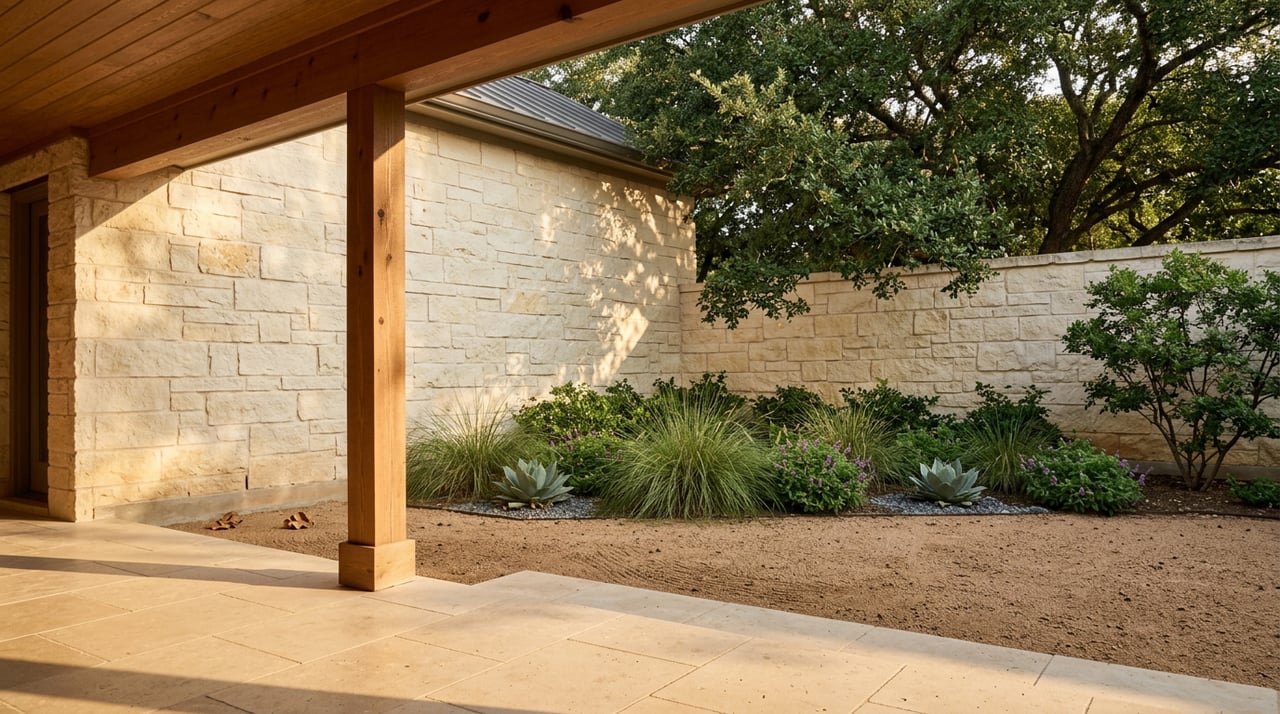
In Hill Country-style areas, the lot often raises practical questions. You want to notice where water may flow, how much flat usable space you have, how much tree coverage affects the yard, and whether the site fits the kind of outdoor living you want.
Shallow soil over limestone or caliche is another local consideration. That can make landscaping, planting, drainage work, and some outdoor improvements more complicated than they would be in flatter subdivision settings.
In Texas, the option period is negotiable, and it gives buyers an important layer of flexibility. If you pay the agreed option fee, you have the unrestricted right to terminate for any reason during that period.
For first-time buyers, this is one of the most important windows in the contract. It is commonly the time when you schedule inspections, review findings, and decide whether to ask for repairs or other contract changes.
It is also wise to make an offer contingent on financing and a satisfactory inspection. That helps protect you if your loan terms change or the property condition raises issues you are not comfortable accepting.
A home inspection is a key step, but it has limits. In Texas, it is a limited visual survey of accessible systems and components, not a comprehensive or destructive investigation.
That matters in Hill Country areas because a standard inspection may not fully answer every question about drainage, lot grading, tree root impacts, foundation movement, or septic performance. Inspectors also are not required to use specialized tools like thermal imaging, moisture meters, or drones.
The takeaway is simple: treat the inspection as a starting point, not the final word. If something about the lot, drainage, or site conditions looks questionable, it may be worth asking more questions before you move forward.
Flood review should be part of your due diligence in Bexar County. The county states that everyone is in a floodplain, with higher-risk zones mainly identified as A and AE.
Bexar County does not require flood insurance, but that does not mean flood-related concerns should be ignored. If a property includes floodplain areas, building in the floodplain requires a permit, and fill, grading, excavating, and unpermitted construction are not allowed there.
For a first-time buyer, this can affect both your current budget and your future plans for the lot. If you are already imagining a pool, patio expansion, or other outdoor projects, floodplain restrictions are worth confirming early.
Not every Hill Country-style property will be on public sewer, so septic status is another major check. In Bexar County, all on-site sewage facilities must be permitted.
New systems, repairs, renewals, and registrations of existing systems each have permit and inspection requirements. If the home you are considering is not on public sewer, confirm the permit history, service contract status, and ongoing maintenance obligations before closing.
This step is especially important for first-time buyers because septic systems can feel unfamiliar if you have only lived in apartments or homes on city utilities. Clear answers upfront can prevent stress later.
As you move toward closing, stay focused on the details. You should receive your Closing Disclosure three business days before closing, which gives you time to compare it carefully with your earlier Loan Estimate.
This is your chance to confirm that the numbers still make sense and that there are no surprises in your cash to close or loan costs. If something looks different, ask questions right away.
You should also do a final walk-through before signing. That gives you a chance to confirm agreed repairs were completed and that any items the seller promised to leave are still in the home.
Title insurance is another part of closing that first-time buyers often want explained clearly. In Texas, title insurance is not required by law, but lenders require a loan policy.
The owner’s policy protects against certain pre-existing ownership defects, and Texas title insurance rates are regulated. Buyers can also choose their title company, and the owner’s policy generally protects you for as long as you or your heirs own the land.
The owner’s policy is typically paid once at closing. Keep in mind that while the regulated policy premium is fixed, other closing-related fees can vary.
Your home budget does not stop on closing day. After you buy, you will want to stay on top of property taxes, insurance, and regular maintenance so your monthly costs stay manageable.
Texas does not have a state property tax, and homestead exemption applications are filed with the county appraisal district. If this will be your primary residence, make that task part of your early after-closing checklist.
It also helps to think realistically about upkeep. In Hill Country-style settings, larger or more natural lots may be a big lifestyle win, but they can also mean more attention to drainage, vegetation, and outdoor maintenance over time.
For many buyers, this part of San Antonio offers an appealing balance. You can find a quieter residential setting with more privacy and outdoor space while still staying close to downtown, the airport, and everyday services.
That convenience is part of what makes Hill Country-style living so attractive. You are not choosing between access and atmosphere as much as trying to find the right balance of both.
If you go in with a clear budget, strong lender comparisons, and smart property due diligence, you will be in a much better position to buy with confidence. And if you want a guide who values education, strategy, and clear communication from start to finish, Rebecca Gindele would love to help you take the next step.
Stay up to date on the latest real estate trends.


The home buying or selling process can be confusing, but Rebecca takes the time to make sure her clients understand every step. Clients find her vision for home design invaluable. Rebecca loves making homes beautiful and is happy to give advice to buyers and sellers on how to improve the look of their home.